Difference Between Addressable vs Non-Addressable LED Strips: Which is Right for Your Project?
Confused about choosing between addressable LED strip (WS2812B) and regular LED strip? This article explains the technical differences, advantages, disadvantages, and recommended use of each.
Two Different Worlds of LED Strips
When clients come to Linevolt for a consultation, one of the most common questions is: "Do I need an addressable LED strip or just a regular one?" The answer depends on the goals, budget and complexity of your project.
Let's discuss it in depth.
Non-Addressable LED Strip (Analog)
Non-addressable LED strips are the most common type found in electronics stores. Characteristics:
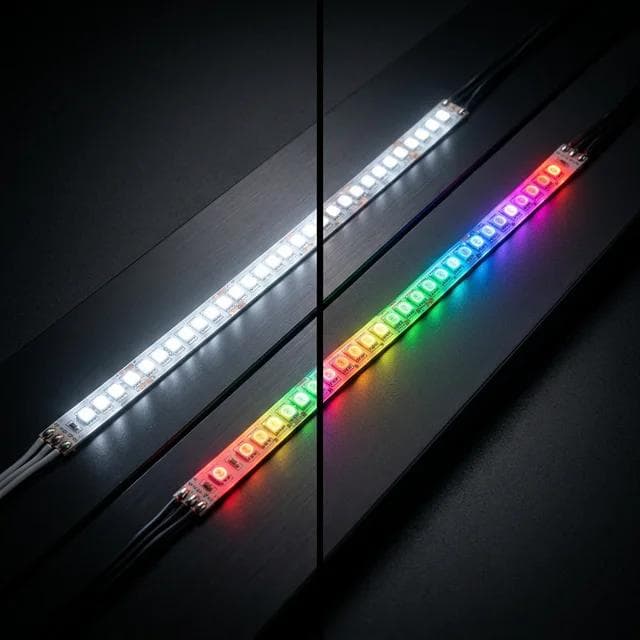
- All LEDs on a strip light up the same color at one time
- Simple controls: regular dimmer, RGB/RGBW controller, or relay
- Cheaper price: IDR 20,000-60,000 per meter
- Easy to install: just connect to the power supply
- Type options: Single color (warm white, cool white), RGB, RGBW, RGBWW
When is it Appropriate?
- Ambient lighting and cove lighting
- TV or monitor backlight
- Furniture accent lighting
- Kitchen under-cabinet lighting
- Simple installation that doesn't need animation effects
Addressable LED Strips (Digital)
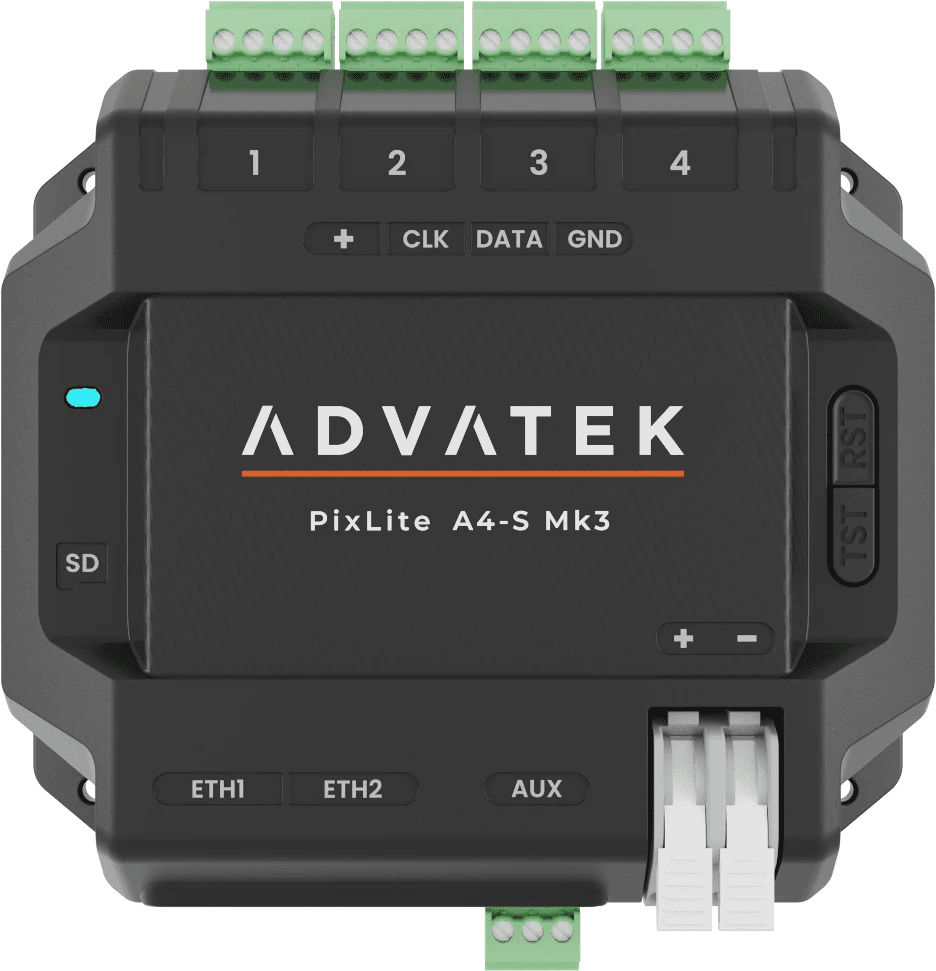
Addressable LED strips have an IC (integrated circuit) in each LED or every few LEDs. The IC is what allows individual control.
Popular types:
- WS2812B: IC integrated in LED, 3 wires (data, power, ground), most popular
- SK6812: Compatible with WS2812B but RGBW variant available
- WS2815: 2 data lines (backup) so that damage to 1 LED does not cut off data to the next LED
- APA102 (Dotstar): Higher update speed, suitable for music synchronization and high-speed animation
When is it Appropriate?
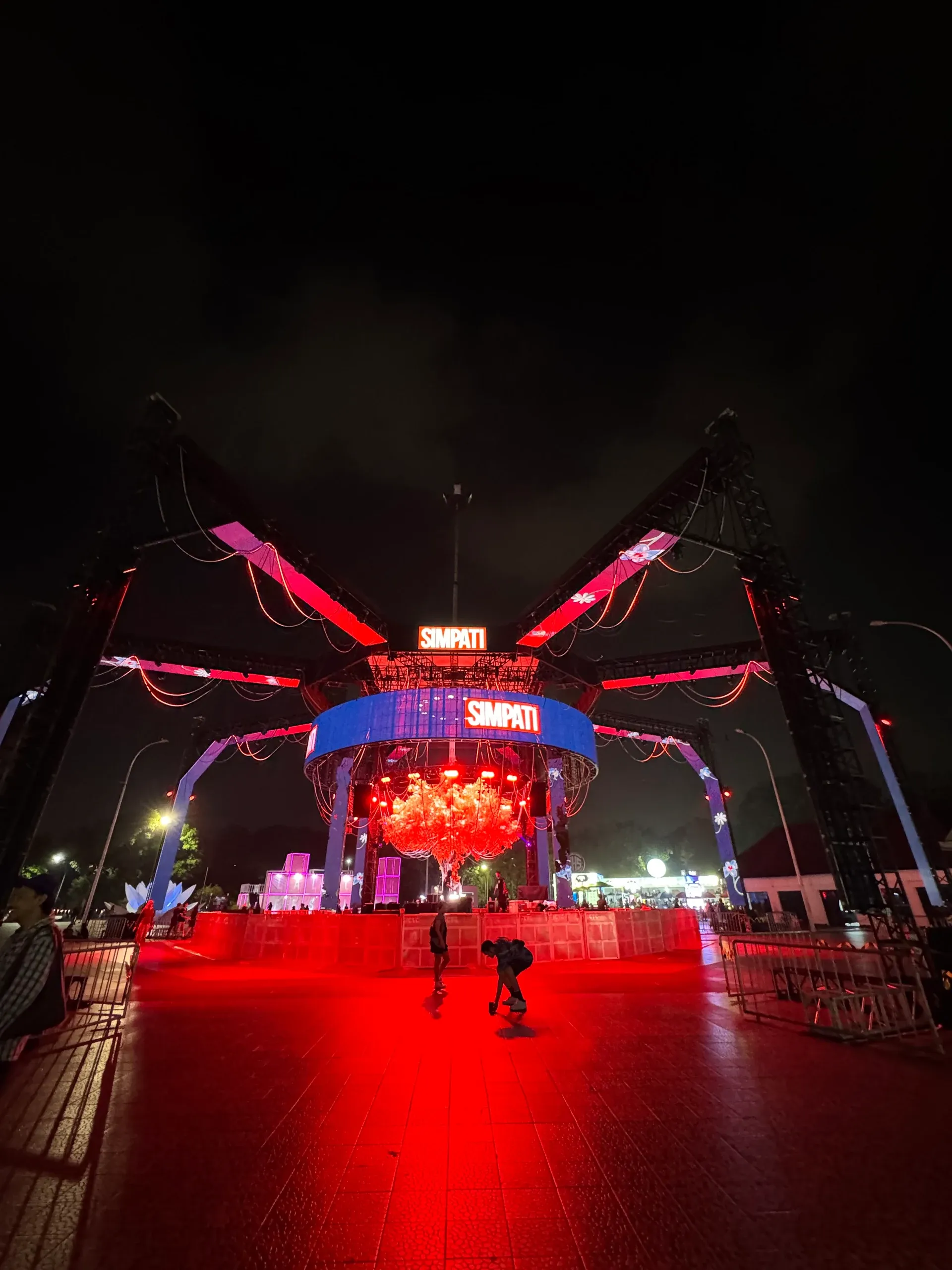
- Stage and entertainment lighting: chase effects, color flow, music synchronization
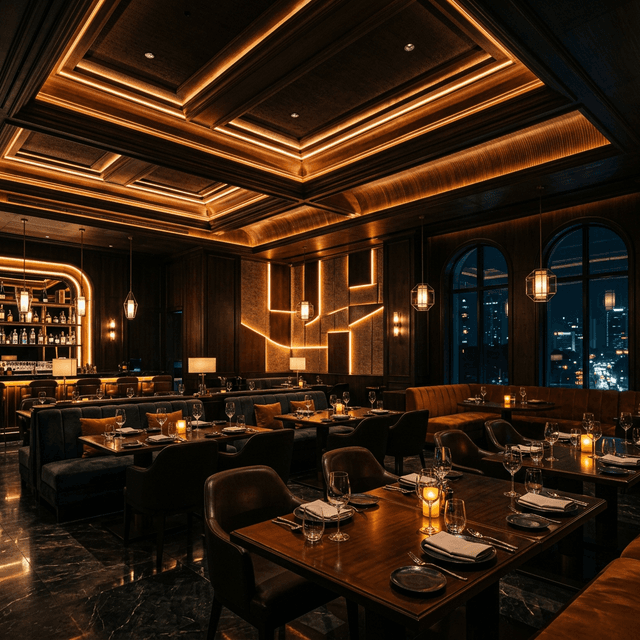
- Premium restaurants and bars: ambient that changes according to time or atmosphere
- Facade building: complex patterns and animations on building exteriors
- Instalasi seni dan interaktif: proyeksi data ke LED
- Creative advertising and signage: logo or product animations
Direct Comparison
| Aspect | Non-Addressable | Addressable |
|---|---|---|
| Control | Per segment/zone | Per individual LED |
| Wiring | Simple | More complex |
| Price of strips | Rp. 20-60K/m | Rp. 45-150K/m |
| Controller price | Rp. 50-200K | Rp. 150K - 1.5 million |
| Animation effects | No (except multi-zone) | Yes, unlimited |
| Power requirements | Efficient | Larger (at full brightness) |
| Setup | Very easy | Requires configuration |
| Reliability | Height | Depends on IC quality |
| Ideal for | Cove & ambient | Entertainment & premium |
Myths that Need to Be Cleared Up
Myth 1: "Addressable is definitely more expensive in total" Not always. For simple ambient lighting that requires many zones, non-addressable with multiple controllers can be more expensive than addressable with 1 WLED controller.
Myth 2: "Addressables are hard to program" With WLED (open-source firmware), setup of addressable LED strips can be done in 30 minutes by beginners. Hundreds of effects available built-in.
Myth 3: "Addressables are not suitable for white lighting" SK6812 RGBW and WS2812B can produce very good warm white, even more flexible than ordinary white LED strips.
Linevolt Recommendations
Based on our experience in various projects:
Select Non-Addressable if:
- Limited budget and simple effects are enough
- Installation in areas that are difficult to access for maintenance
- Only need 1-2 color zones
Select Addressable if:
- Entertainment venues: bars, clubs, premium restaurants, stages
- Want a visual upgrade without replacing the entire installation in the future
- Requires integration with AV or building automation systems
- There is a budget and you want WOW results
Hybrid Approach
Many Linevolt projects use a hybrid approach: non-addressable LED for general ambient and cove lighting (cost saving), combined with addressable LED for accent and feature points (high visual impact). This provides optimal results with a more efficient budget.
Contact the Linevolt team for a free consultation — we'll help you determine the best solution for your project.
Need Help?
Consult Your Lighting Project
Our expert team is ready to help from planning to installation. Free, no commitment.