How to Create a Memorable Hotel Lobby Lighting Effect with Addressable LEDs
The hotel lobby is the first point guests interact with your brand — the right lighting creates a premium feel in the first second. This guide discusses programming techniques for lighting effects for hospitality.
In the hospitality sector, there is a phrase often used by interior designers: 'you never get a second chance to make a first impression.' The lobby is not just a transitional space — it is the first statement of your hotel's standards. Addressable LED strips, when programmed correctly, can transform a lobby from simply 'bright' into an immersive experience.
Principles of Hospitality Lighting: Layering
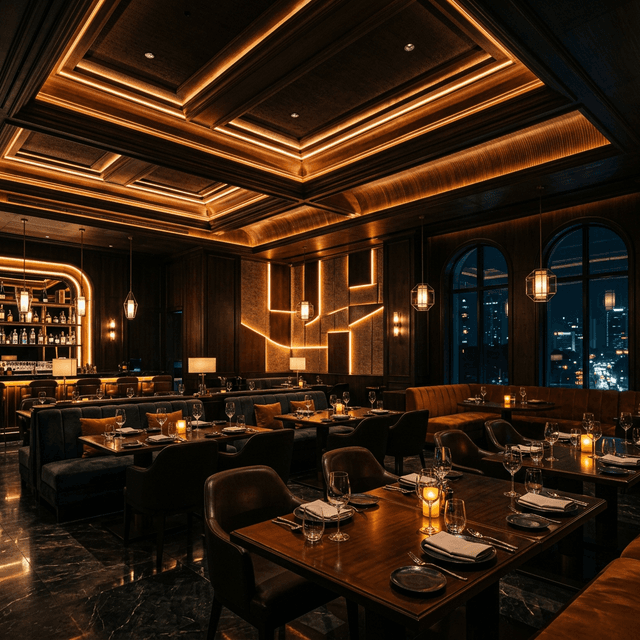
An effective hotel lighting system consists of three layers: ambient (general lighting, usually from downlights or coves), accent (highlighting architectural or artistic elements), and decorative (addressable LED as a visual element). Addressable LED plays the most effective role in accent and decorative layers — not as the main light source, but as an element that creates the character of the space.
Reception Zone: Slow Breathing Effect
The reception desk is the main focal point. Install the SK6812 RGBW strip under the counter with a 'slow breathing' effect — brightness that rises and falls very slowly (8-12 second cycle) in 2700K warm white. This effect psychologically creates calm without feeling static. Avoid colors other than warm tones in this area — cold blue or saturated colors will feel unprofessional in a hospitality context.
Ceiling Installation: Starfield or Aurora Effect
For lobbies with high ceilings, a low density LED grid (30 LEDs/m) programmed as a 'starfield' creates the impression of a deep and luxurious space. Alternatively, cove lighting with a slow-moving aurora effect (blue-green or warm amber) follows the contour of the ceiling architecture. Key: refresh rate must be >30fps to ensure the effect looks smooth, not jerky.
Pathways and Transition Areas
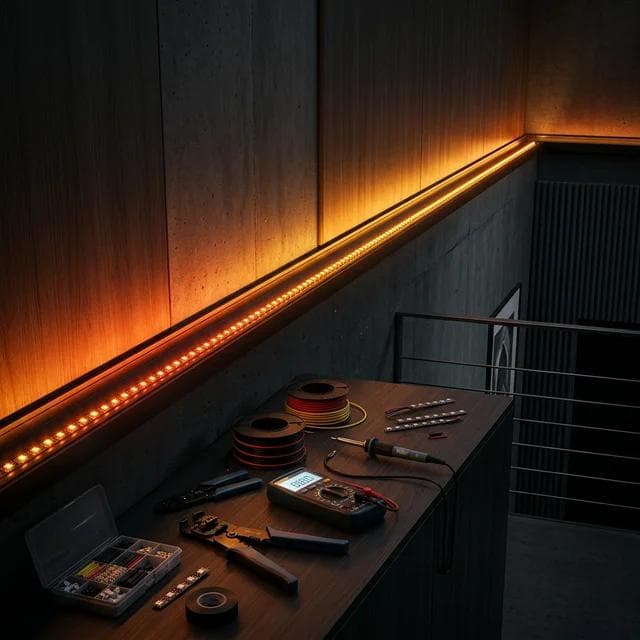
Strips along corridors or under stairs can be programmed with sequential sweeps that move in the direction guests walk — subtle directional cues that intuitively guide movement without signage. Program the speed at 0.3-0.5 meters per second for an effect that feels natural, not aggressive.
Integration with Building Management System
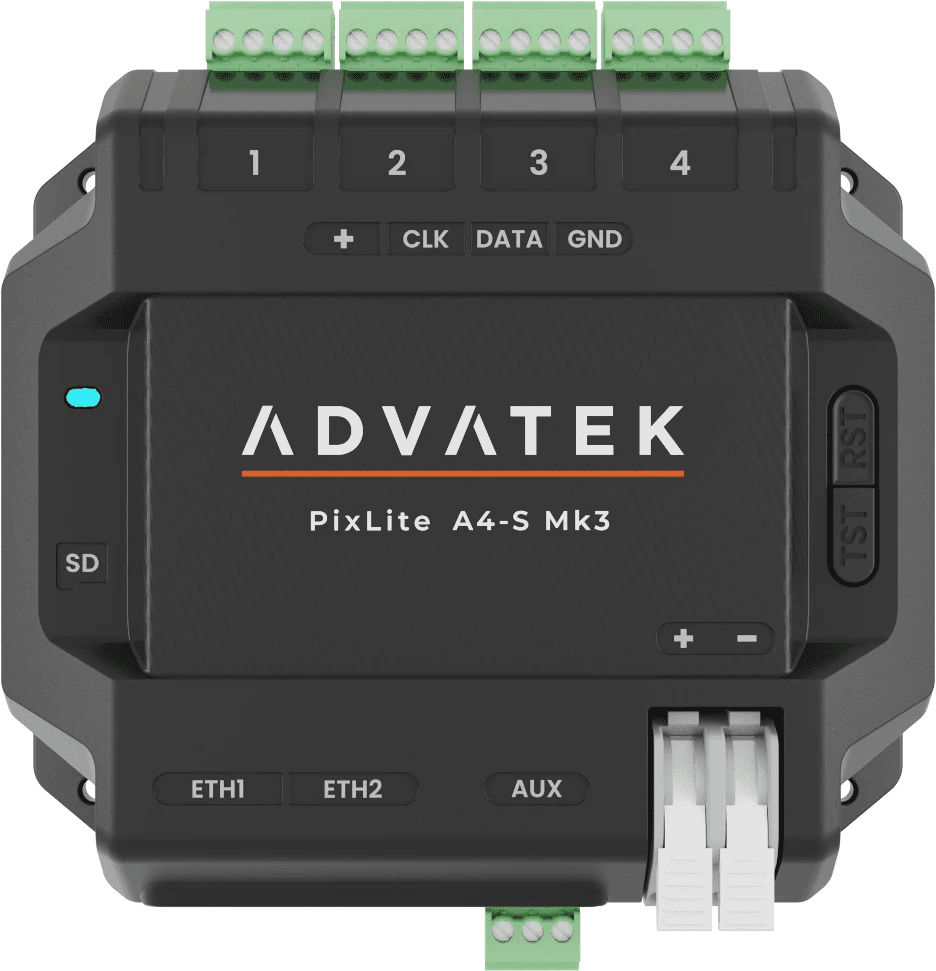
Premium hotels integrate lighting control with BMS (Building Management System). Addressable LED controllers that support DMX, Art-Net, or Modbus can receive triggers from the BMS for automation based on time or conditions: 'Check-in Peak Hours' mode (energetic, brighter), 'Evening Quiet' (warm dim), 'Night Mode' (minimal, only guiding lights). This cuts energy consumption while increasing the consistency of the experience.
Case Study: Jakarta Boutique Hotel Lobby Installation
A boutique hotel in South Jakarta with a 200m² lobby using 450 meters of SK6812 RGBW in the cove ceiling (three layers), reception counter and pathway. The system is controlled by automatic scheduling: morning (07:00-10:00) in invigorating neutral white, afternoon (10:00-18:00) warm white relaxed, evening (18:00-midnight) deep amber with slow aurora accent, early morning (midnight-07:00) minimal guiding mode. Guest feedback about the atmosphere increased significantly in the first three months post-installation.
Need Help?
Consult Your Lighting Project
Our expert team is ready to help from planning to installation. Free, no commitment.