5 Questions to Answer Before Installing Lighting in a Commercial Venue
Before talking about strip, controller, or scenes, there are five operational questions that determine whether a lighting project will succeed — or become an aesthetic ruin in 2 years. Notes from Linevolt's experience.
Before You Talk Tech
In most audits we run on venues that "feel like the lighting isn't quite working anymore" — a 3-year-old restaurant, a 5-year-old bar, a 2-year-old retail space — the root issue is almost never the strip choice. The root issue is operational decisions never discussed at design phase.
These are five questions you must answer before starting a technical spec conversation with any installer. If an installer doesn't ask about these five, it's the first signal you haven't met a specialist yet.
Question 1: Who Will Operate It After Installation?
Every commercial venue needs daily control. Dim down in the late afternoon. Scene change at night. Trigger a special scene during a private event. The question: who actually runs it? Three scenarios we typically see:
A. The venue manager (non-technical). Needs an "obvious" tablet UI — a preset library labeled clearly ("Friday Dinner", "Quiet Lunch", "Birthday Celebration"). No knobs, no raw sliders. Operator just picks from a list.
B. Shift technician / IT staff. Can handle more complexity — has access to MADRIX, can modify minor scenes. Still needs documentation and scoped limits (e.g., can't overwrite master config without a password).
C. Dedicated lighting engineer. Rare outside large concert venues. If you have one, the system can be more complex — DMX layers, timeline programming.
The most common mistake: designing a level C system but the people who'll actually operate it are level A. Result: a confusing tablet, a manager who's afraid to touch it, and eventually lighting that stays stuck on one scene because nobody dares change it.
Question 2: How Many Operating Hours per Day?
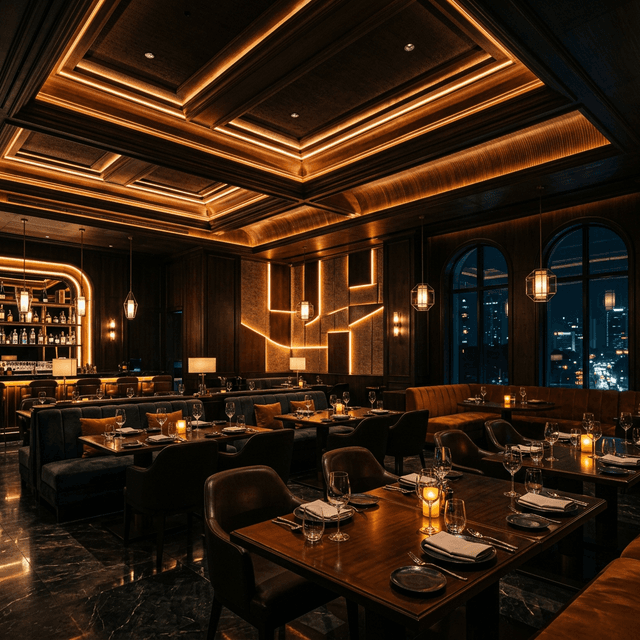
An 8-hour venue (lunch + dinner) and an 18-hour venue (24/7 retail) need different material treatment — not just at install, but across the strip's lifetime.
8-12 hours/day (most F&B): standard strip, industrial-grade PSU, default controller refresh. Strip effective life: 5-7 years.
16+ hours/day (24/7 retail, casino, hospital lobby): premium strip with tighter chip binning, higher-margin PSU, scheduled dimming. A strip running 24/7 at 100% brightness loses 30% of luminous flux in 3 years. With dimming to 70% during low-traffic hours, effective life can extend to 6-8 years.
24/7 outdoor: extra layers — IP rating, UV protection, surge protection. Outdoor in tropical climate is the most stressful condition for LED — engineering treatment must match.
Question 3: Will CCTV Cameras Record This Area?
This question rarely gets asked, but it's very consequential. If the lighting area falls inside a CCTV frame (almost any retail or commercial venue), then:
- Strip refresh rate must be set compatible with the camera's frame rate (multiples of 30/60 Hz)
- PSU must be low-ripple (< 100 mV)
- Multi-strip setups must sync via a master clock
Without this attention, CCTV footage will show black bands or color "breathing". That's not an aesthetic issue — it's a security audit issue when an incident actually happens.
Question 4: Will There Be Live Events in This Area?
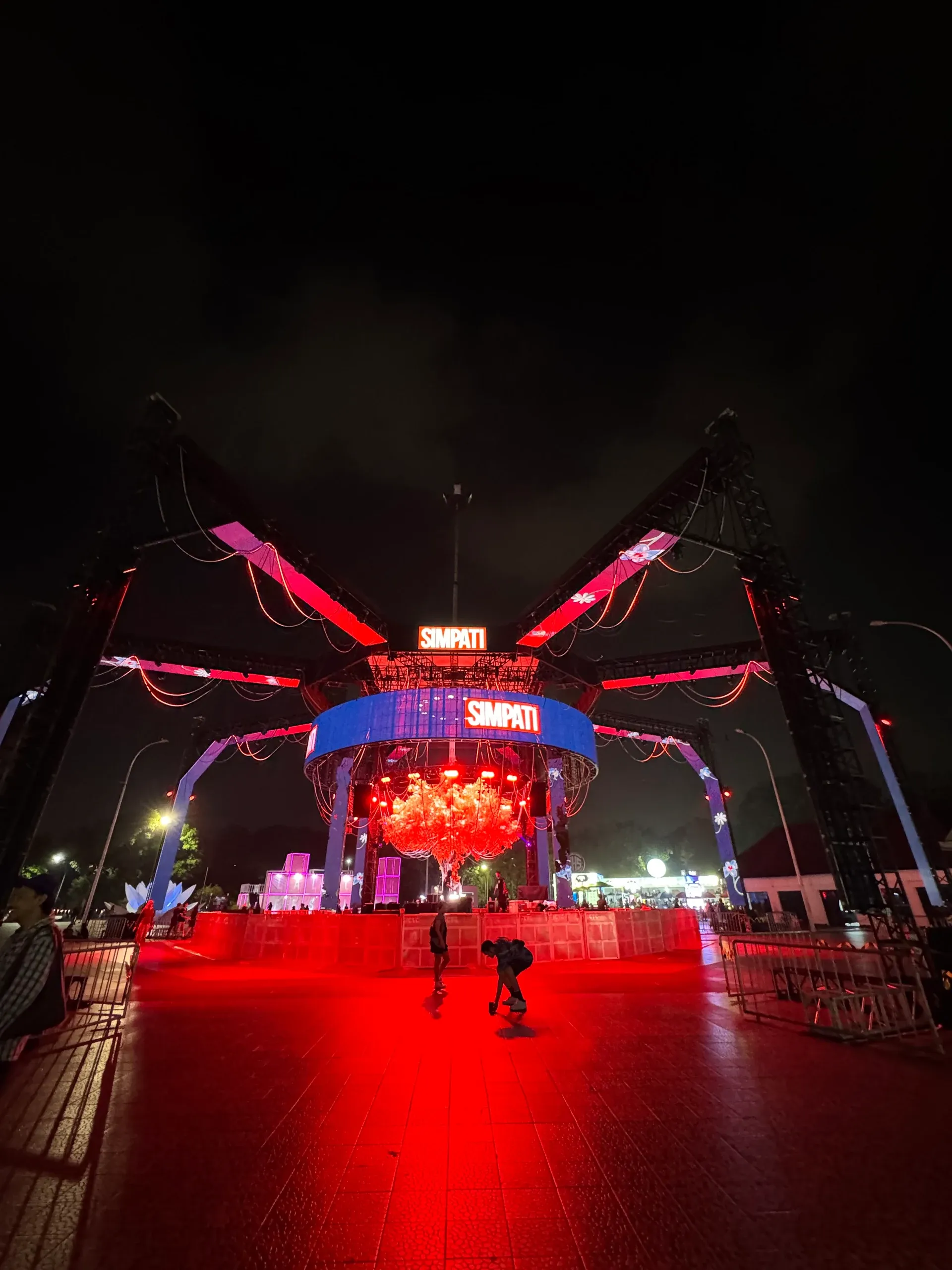
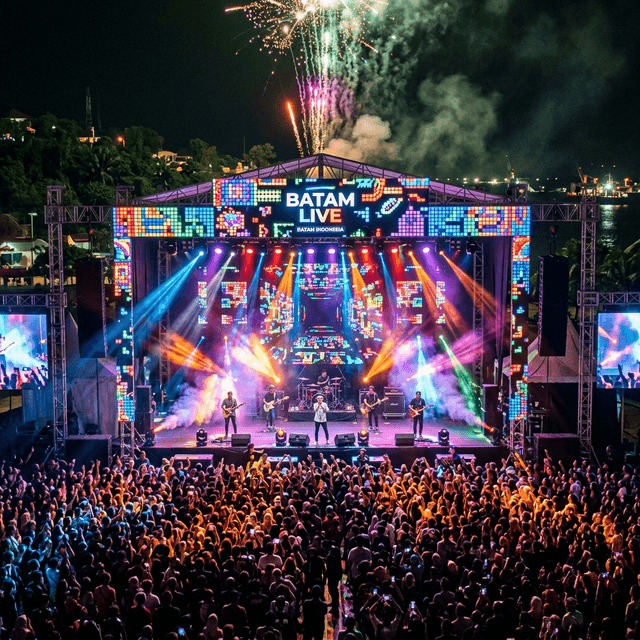
Live events (bands, DJs, performances, panel discussions) introduce needs that don't exist in normal operating mode:
- Sound-reactive lighting — needs audio input to the controller or software
- Fast scene change — needs MIDI controller or iPad triggers
- Stage wash — needs additional high-output fixtures or strip
- Backup content — fallback if the data signal drops mid-show
Designing a rig only for "ambient mode" and then forcing it to handle live events typically produces compromises that satisfy neither. If your venue will host live events, it needs to be in the initial proposal — not retrofitted later.
Question 5: Who Will Maintain It in 5 Years?
Good lighting is lighting that's still alive in year 5. Three maintenance elements often glossed over at sign-off:
Physical access: can a tech reach the strip if a section needs replacing? A cove ceiling that only opens with a boom-lift is a maintenance nightmare. Plan access from day one.
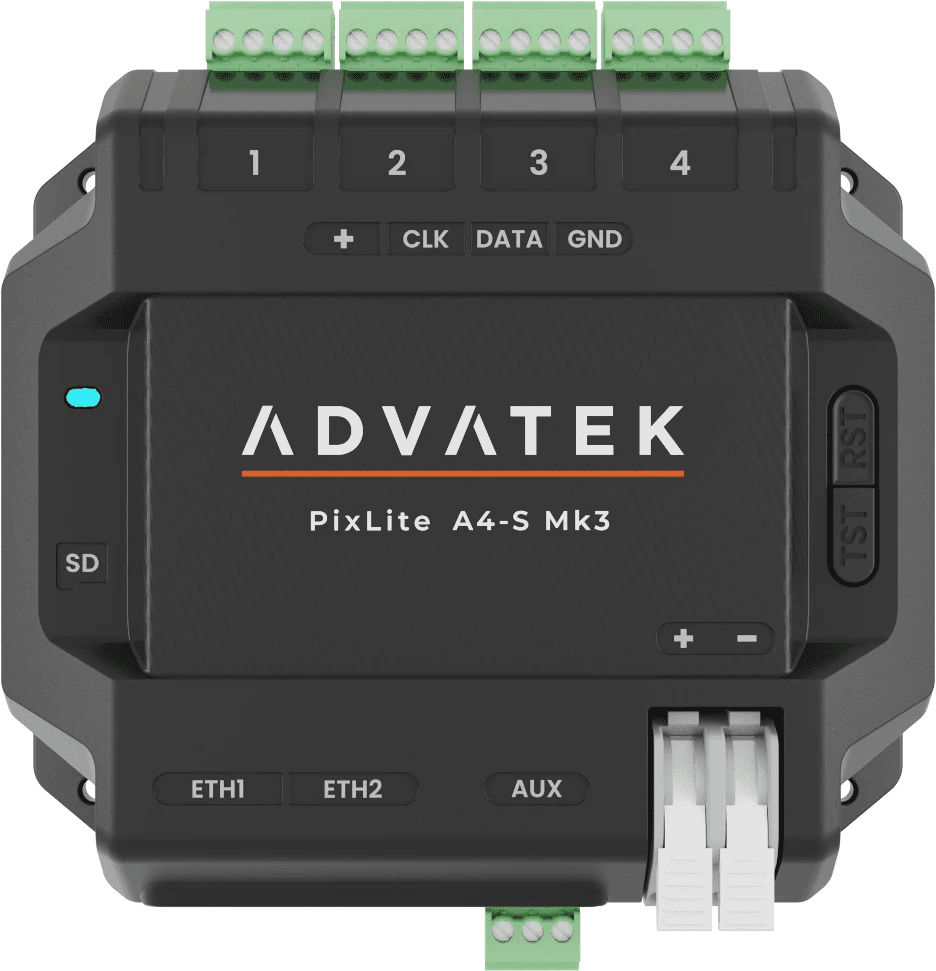
Spare part availability: local OEM strip is often unavailable 2 years later. Strip from a global authorized dealer (Advatek, etc.) has a more stable supply chain.
Documentation: controller settings, scene config, wiring diagrams. Are they on the programmer's laptop (which can change jobs), or in a repository the venue owns? Always the second.
Linevolt includes a "maintenance pack" with every commercial project: setting backups, wiring documentation, and a 6-month preventive maintenance schedule for high-intensity venues.
Why These Five Questions Are in This Order
The order isn't arbitrary. They follow the decision hierarchy:
- Operator determines the UI complexity you need
- Operating hours determine the material grade you choose
- CCTV requirement determines the tuning you must do
- Live events determine if the rig needs additional features
- Maintenance plan determines vendor and supply chain
When these five are answered firmly up front, the technical discussion that follows — which strip, which controller, which software — gets a lot more efficient. The answers almost emerge automatically.
How to Start the Conversation
A few practical recommendations for venue owners in the research phase:
1. Write your answers before meeting the first installer. Not to present — for yourself. This will quickly tell you which installers are "professional" (they'll resonate with your answers) versus "DIY level" (they'll jump straight to spec).
2. Ask the installer to be present when you operate scenes. Before sign-off, your venue manager should sit down and trigger scenes in front of the installer. If there's friction, address it before sign-off — not after.
3. Ask for client references with similar venues. Not the glamor portfolio — ask for the contact of an owner of a similar venue, then ask "if you did this again, what would you change?". The answer is more honest than any photo portfolio.
Wrap-up
A successful lighting project doesn't start from a strip spec. It starts from your venue's operational reality — who runs it, how many hours, in what conditions, for what events, and who will maintain it over five years. The five questions above are the fastest way to validate that your discussion is heading in the right direction.
Need Help?
Consult Your Lighting Project
Our expert team is ready to help from planning to installation. Free, no commitment.